

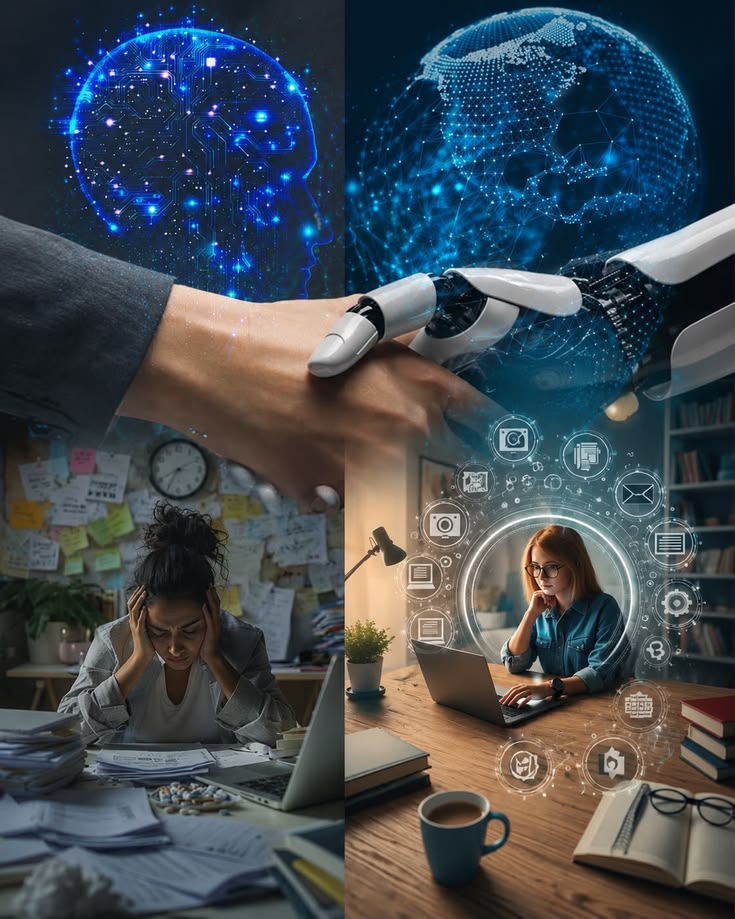
Software development in 2026 is defined by the deep integration of artificial intelligence, widespread automation, and the maturation of several supporting technologies. Teams are no longer experimenting with AI as a novelty. Instead, they are embedding it into daily workflows while balancing speed, security, cost control and sustainability. The result is a profession that continues to evolve rapidly, with new expectations for both individual developers and entire engineering organizations.
AI Coding Assistants Become Standard Practice
AI-powered coding tools have moved from optional helpers to core components of the development process. A large majority of developers now use or plan to use these assistants regularly. The tools generate boilerplate code, suggest completions, refactor functions and even propose test cases. In many organizations, routine feature development sees substantial portions of code produced with AI support, allowing human engineers to focus on architecture, complex logic and problem-solving.
Despite high adoption rates, trust remains measured. Developers and security teams continue to review AI-generated code carefully because quality and vulnerability issues still appear. The most effective teams treat AI output as a strong first draft rather than finished work. This balanced approach has improved productivity without sacrificing standards.
The Rise of Agentic AI and Automated Workflows
Beyond simple code completion, agentic AI systems are beginning to handle multi-step tasks. These agents can open pull requests, run tests, suggest fixes and in some cases merge approved changes under defined governance rules. Automation extends into testing, continuous integration pipelines and routine maintenance. The goal is to reduce repetitive work so that developers spend more time on high-value activities.
Platform engineering has emerged as a critical discipline to manage this complexity. Organizations are building Internal Developer Portals that provide standardized tools, templates, security controls and observability. When AI agents and human developers work within the same governed environment, consistency and compliance improve significantly.
Low-Code and No-Code Expansion
Low-code and no-code platforms continue to grow, enabling faster delivery of internal tools and business applications. Citizen developers and professional engineers increasingly collaborate on these platforms. AI assistance within low-code environments further accelerates the process by generating workflows or suggesting components. For many enterprises, a substantial share of new internal applications now originates from these platforms, freeing specialized engineering capacity for more complex systems.
Cloud-Native Architectures and Edge Computing
Cloud-native development remains the default approach for most new projects. Microservices, containers and orchestration platforms allow teams to build scalable, resilient systems. At the same time, edge computing is gaining practical importance. Processing data closer to users or devices reduces latency and supports real-time applications in manufacturing, logistics and consumer experiences. Architectures that combine cloud and edge capabilities are becoming more common as organizations seek both scale and responsiveness.

Security Shifts Left and Becomes Continuous
Security is no longer treated as a final checkpoint. DevSecOps practices, Software Bills of Materials and zero-trust architectures are now expected. Regulatory requirements, including those related to AI systems, have raised the bar for transparency and risk management. Teams generate SBOMs during every build, apply identity verification across services and implement governance around AI model usage. These measures help organizations meet compliance demands while reducing the risk of late-stage vulnerabilities.
Cost Control and Sustainable Software
As AI workloads increase, so do infrastructure costs, particularly for GPU resources. FinOps practices have expanded to cover AI spend, helping teams monitor and optimize expenses. In parallel, green software initiatives are measuring and reducing the carbon intensity of applications. Engineers are beginning to see both financial and environmental metrics alongside traditional performance data. Scheduling non-urgent workloads during periods of higher renewable energy availability is one practical example of this dual focus.
Changing Roles and Skills
The nature of software engineering work is shifting. Entry-level coding tasks are increasingly automated, while demand grows for professionals who can design reliable systems, orchestrate AI agents, manage platform tooling and ensure security and compliance. Skills in prompt engineering, system design, observability and cloud cost management are becoming more valuable. Organizations that invest in continuous learning and clear career paths for these evolving roles tend to retain talent more effectively.
Looking Ahead
The software development landscape in 2026 rewards teams that combine speed with discipline. AI and automation deliver clear productivity gains when supported by strong platform engineering, security practices and cost awareness. Emerging technologies such as edge intelligence and more sophisticated agentic systems will continue to expand what is possible. At the same time, regulations and sustainability expectations ensure that innovation remains grounded in responsibility.
Successful organizations treat these trends as interconnected rather than isolated. They pilot new tools carefully, measure real outcomes, and adapt processes accordingly. Developers who embrace AI as a collaborator while strengthening their expertise in architecture, security and system thinking will find themselves well positioned. The industry is moving faster than ever, yet the fundamentals of building reliable, maintainable and valuable software remain as important as they have always been.
Read more – wishdua.com