

Technology in 2026 is moving beyond screens and software into the physical systems that shape daily routines—how homes are powered and cooled, how food and materials are produced, how health is managed, and how machines assist everyday tasks. The most impactful innovations emphasize personalization, decentralization, and greater material efficiency. These developments are beginning to influence energy use, environmental quality, healthcare, and the tools people interact with at home and work.
Smarter Energy Systems in Homes and Communities
One of the clearest shifts is the rise of everything-to-grid energy approaches. Electric vehicles and home battery systems, which often sit idle for long periods, can now supply power back to the electricity grid when demand peaks. This two-way flow helps balance supply, especially as renewable generation fluctuates. For households, it means greater potential to lower energy costs, support grid stability, and make better use of stored solar or off-peak power. The technology turns personal energy assets into active participants in the broader system rather than passive consumers.
Complementing this is progress in materials that cool buildings without electricity. Passive radiative cooling materials reflect the majority of incoming sunlight and radiate heat through the atmosphere into space. Applied as coatings, films, or building components, they reduce the need for conventional air conditioning in hot climates. The result is lower energy demand and more comfortable indoor environments with minimal ongoing power use.
Cleaner Materials and Resource Efficiency
Battery technology continues to advance through improved lithium extraction methods. Direct lithium extraction techniques pull battery-grade lithium from brines far more quickly and with less water intensity than traditional evaporation processes. This supports the expansion of energy storage needed for electric mobility and renewable integration while reducing environmental pressures associated with conventional mining approaches.
Another practical advance addresses persistent environmental contaminants. Technologies capable of destroying PFAS—often called “forever chemicals”—break these compounds down into harmless substances. As these solutions scale, they offer pathways to cleaner drinking water and reduced long-term accumulation of hard-to-remove chemicals in the environment.
Personalized Health and Biological Innovation
Healthcare is becoming more tailored to the individual. Personalized mRNA cancer vaccines use a patient’s own tumor information to design targeted therapies that can be produced relatively quickly. This approach inverts traditional drug development by making the patient the starting point for treatment design. While still advancing, it points toward more precise and responsive cancer care.
Precision fermentation is reshaping how certain proteins and ingredients are produced. By using engineered microbes to generate high-value proteins such as whey or egg white, production can occur closer to demand centers and with fewer constraints from traditional agriculture or animal farming. This distributed model has implications for food supply resilience and the environmental footprint of protein production.
AI Moving into the Physical World
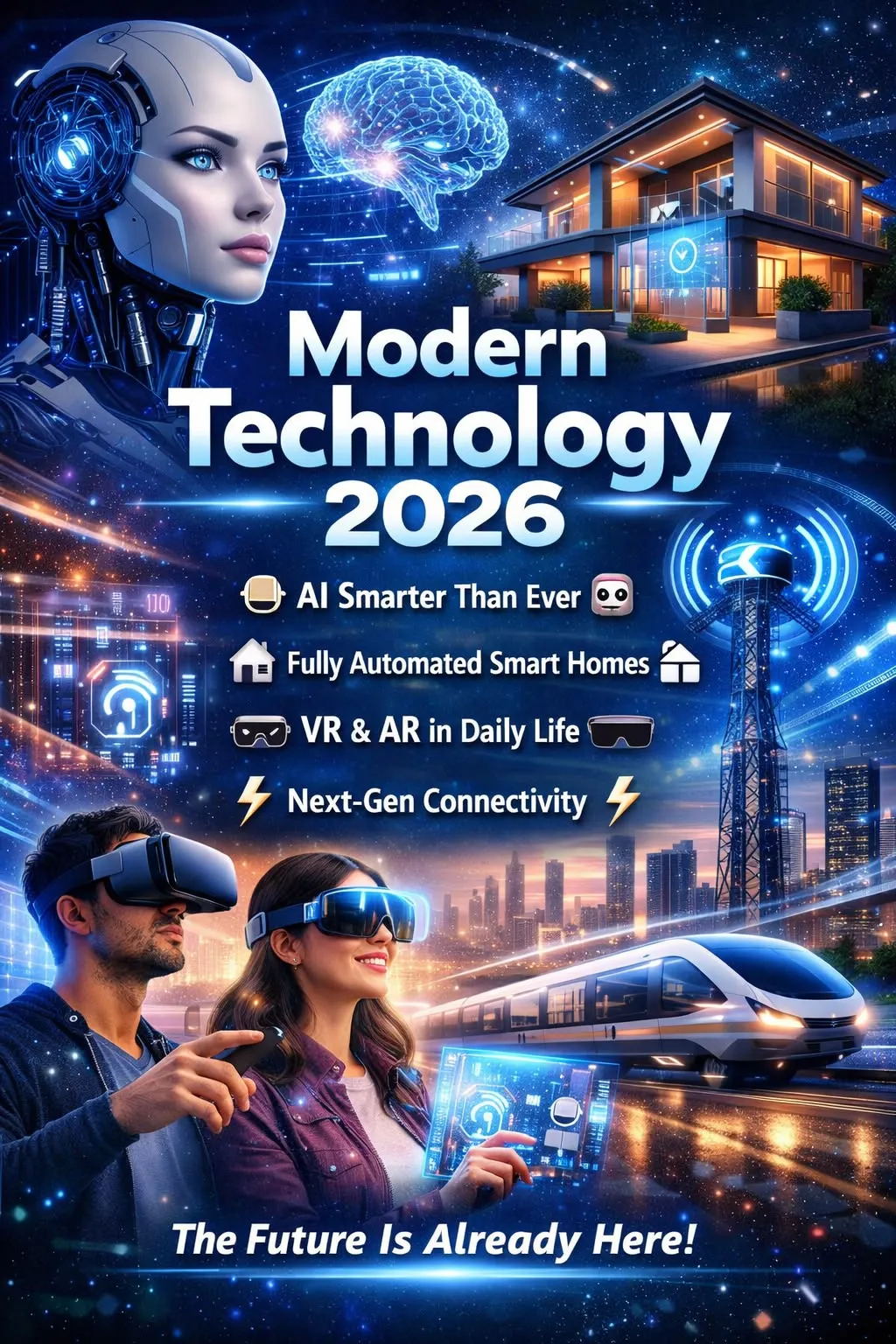
Artificial intelligence is increasingly embodied in physical systems. Physical AI—systems that sense, reason, and act in real environments—underpins advances in robotics and autonomous machines. Progress in humanoid and specialized robots is supported by multimodal models that process visual, auditory, and sensor data. These systems are finding roles in manufacturing, logistics, and eventually more domestic or assistive applications.
Agentic AI systems that can plan and execute multi-step tasks with less constant human direction are also maturing. In everyday contexts this appears as more capable digital assistants, automated workflows in productivity tools, and smarter home or device management. Multimodal models that handle text, images, audio, and other inputs make interactions more natural and context-aware.
Supporting Infrastructure and Security
As computing power grows and quantum capabilities advance on the horizon, lattice-based cryptography and post-quantum approaches are gaining attention. These mathematical methods aim to protect sensitive data against future quantum computing threats, helping safeguard digital communications, financial systems, and personal information.
Smart building technologies, including those built on open standards, continue to expand. Sensors, automated controls, and efficient management systems improve comfort, reduce energy waste, and enable more responsive living and working environments.
Patterns Shaping Everyday Impact
Across these innovations, three patterns stand out. Technologies are becoming more personal—tailored to individual health profiles, energy use, or local conditions. They are more distributed, enabling production of energy, materials, or proteins closer to where they are needed. And they often achieve more with less, whether through passive cooling that requires no electricity, faster and less resource-intensive lithium extraction, or efficient fermentation processes.
These trends do not arrive in isolation. Progress in one area, such as better energy storage or more capable AI models, accelerates possibilities in others. At the same time, responsible scaling requires attention to safety, accessibility, regulation, and equitable benefits.
Looking Ahead
The emerging technologies of 2026 illustrate a shift from purely digital innovation toward systems that interact directly with the physical world of energy, materials, health, and daily environments. For individuals, the near-term effects appear in more flexible home energy use, lower cooling demands, cleaner resources, more precise health options, and increasingly capable assistive tools. As these capabilities mature and become more widely available, they hold the potential to make everyday life more efficient, resilient, and responsive to both personal needs and broader environmental constraints. The pace of adoption will depend on continued technical progress, supportive infrastructure, and thoughtful implementation that prioritizes practical benefits for people and communities.
Read more – gloryhouseworld.com